







Search Results for: plus or minus

Types of Americano Coffee Beans | What Is the Standard Iced and Hot Americano Recipe at Coffee Shops? Italian Specialty Coffee Beans Recommended for Making High-Sweetness Americano Black Coffee
For more specialty coffee knowledge, please follow: Front Street Coffee (Frontsteet Coffee) Americano is made by diluting espresso with water, typically using dark-roasted Italian-style coffee beans. The Americano beans crafted by Front Street are a blend of single-origin beans from two different regions, which [more…]
Characteristics of Americano | How do coffee shops make Americano black coffee? Which coffee beans are suitable for making Americano? What coffee flavors does a standard Americano present?
Americano is made by diluting espresso with water, typically using dark-roasted Italian-style coffee beans. Front Street's Americano beans are a blend of single-origin beans from two different regions, which has the advantage of compensating for the low acidity of traditional Italian-style coffee and making the flavor richer. Many people ask about Americano beans. [more…]

Iced and Hot Americano Methods | Is There a Big Difference Between Espresso and Americano Coffee Beans? Which Coffee Beans Are Suitable for Iced Americano? What Are the Steps for Tasting Americano Coffee?
For more specialty coffee knowledge, please follow: Front Street Coffee (Frontsteet Coffee). Americano is made by diluting espresso with water, typically using dark-roasted Italian-style coffee beans. The Americano beans used by Front Street are a blend of single-origin beans from two different regions. This [more…]
Espresso Extraction Time and Bean Selection: Flavor Differences Between Blends and SOE, and Front Street Brewing Parameters
American coffee seems simple—just espresso plus water—but what really determines whether a cup of American coffee tastes good is often the combination of bean selection and extraction parameters. This article begins with the difference between blended beans and SOE, explaining how blends complement flavors and why SOE demands higher bean quality. Using three Front Street Coffee beans as examples, it provides specific blend ratios, flavor descriptions, and brewing parameters for three styles: brighter, fuller-bodied, and more balanced. The article also includes tasting steps to help readers fully experience the layers and sweet aftertaste of a cup of American coffee, from smelling the aroma and observing the color to tasting. [more…]
What coffee beans are used for Americano? A full breakdown of blends vs. SOE and iced vs. hot methods
Americano is made by diluting espresso with water, typically using dark-roasted Italian-style beans. Front Street Coffee uses a blend of single-origin beans from two regions to compensate for the low acidity of traditional Italian-style coffee and add layers of complexity. Many people ask: does an Americano have to use an Italian-style blend? What flavors would other beans bring? This article first explains the difference between blended beans and SOE, then compares three Front Street Coffee blends, offering three Americano options—one leaning acidic, one leaning full-bodied, and one leaning balanced—along with extraction parameters. Finally, it includes tasting steps for smelling the aroma, observing the color, and tasting, helping coffee lovers choose the right beans according to their taste and consistently make iced or hot Americanos at home. [more…]

American Coffee Brewing Guide: From Bean Selection to Brewing, How to Make a Non-Bitter Americano
Americano is made by diluting espresso with water, and its flavor profile depends on the type of coffee beans used and the degree of roast. When making it at home, blends and SOEs each have their own merits: blends pursue balance and complementarity, while SOEs highlight the character of a single origin. Centering on the need for "an Americano that doesn't taste bitter," this article sorts out bean-selection approaches for three flavor directions—leaning acidic, leaning rich and full-bodied, and neither sour nor bitter—and gives specific extraction parameter recommendations. The article also introduces products such as Front Street Coffee Huakui SOE, Yirgacheffe Natural Red Cherry SOE, commercial espresso blend beans, and Strawberry Candy espresso blend, and finally includes steps for tasting coffee to help enthusiasts recreate a café-level Americano experience at home. [more…]
Where Does Coffee Sourness Come From? Explaining the Difference Between Acidity and Sour Quality, plus a Guide to Buying Sour Coffee Beans
Is the acidity in coffee a plus or a minus? It depends on the quality of the acidity, not its intensity. This article approaches the topic from a cupping perspective, explaining the difference between acidity and acid quality, showing how coffee acidity is influenced by variety, altitude, processing method, and roast level, and revealing the relationship between fruity flavors and the balance of sweetness and acidity. At the same time, it recommends acidic coffee beans categorized by acid quality type: bright citrusy washed high-altitude light roasts, juicy full-bodied dark berry notes, and high-sweetness sun-dried beans blended with tropical fruit notes, helping coffee lovers choose beans precisely according to their preferences. [more…]
An analysis of the relationship between Americano and black coffee, plus four espresso blend beans recommended for home brewing
Many people are used to making coffee at home. Pour-over, drip bags, and lattes all have their fans, but when it comes to popularity, Americano has always firmly held the top spot. It has a clean, sweet, and mellow taste—neither sour nor bitter—with a hint of sweetness returning in the aftertaste. It's suitable for waking up in the morning, cutting grease after a meal, or getting through the afternoon. However, making a delicious Americano at home isn't just about brewing it casually. This article focuses on three key points: choosing freshly roasted coffee beans, prioritizing espresso blends, and precisely controlling the extraction ratio. At the same time, tailored to different needs, it introduces four espresso blends from Front Street Coffee with distinct styles, ranging from entry-level value to the same flavors used in coffee shops, helping readers find the everyday beans that suit their own daily Americano-making. [more…]
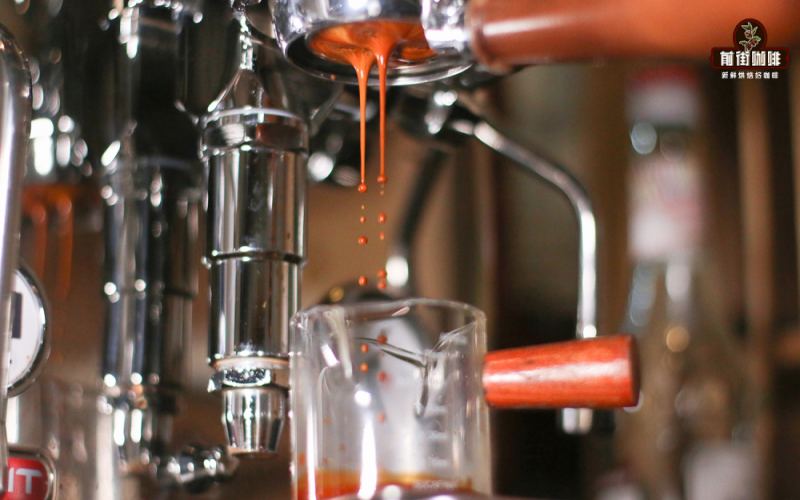
Espresso Extraction Parameters | What is the golden extraction ratio for espresso? What are the specific steps for extracting espresso?
Front Street Coffee has always emphasized that the extraction parameters for pour-over coffee have a significant impact on the cup, and for espresso the impact is even greater. You should know that factors such as the concentration and extraction time of espresso are more demanding than those of pour-over coffee, and the slightest [more…]
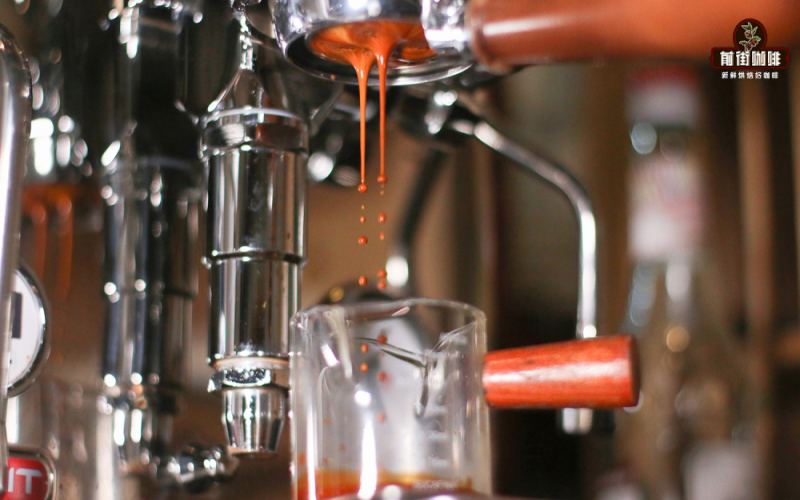
A Complete Guide to Espresso Extraction Parameters: From Dose, Ratio, and Time to a Quick Grind Size Calibration Guide
Espresso extraction is far more sensitive than pour-over, and any slight deviation will be magnified exponentially in the flavor. This article systematically breaks down the extraction parameters from six dimensions—dose, brew ratio, extraction time, flow rate, pressure, and temperature—and offers a quick approach to adjusting grind size. In addition, FrontStreet Coffee also provides practical suggestions on operational details such as weighing, distributing, tamping, and cleaning, helping you consistently reproduce a well-balanced espresso in your daily routine. [more…]
A Comprehensive Analysis of Espresso Extraction: Water-to-Coffee Ratio, Golden Parameters, and Key Operational Points Explained
The extraction of espresso is extremely sensitive to parameters, with dose, brew ratio, time, flow rate, pressure, and temperature all interconnected; the slightest deviation is magnified exponentially in the flavor. This article systematically sorts out the core logic of various espresso extraction parameters, analyzing the matching of basket capacity and dose, the liquid weight ratio range of 1:1.5 to 1:2.5, the extraction window of 20 to 30 seconds, as well as common issues such as grind size and channeling. It also details operational specifics like weighing the dose, distributing the grounds, tamping, and cleaning. At the end, Front Street Coffee recommends a classic espresso blend to help you consistently produce delicious espresso at home. [more…]
How to Adjust the Grind Size for Espresso? A Complete Parameter Guide from Dose and Ratio to Flow Rate
Espresso extraction is far more sensitive than pour-over, and any slight deviation in parameters will be multiplied in the flavor. Drawing on the practical experience of Front Street Coffee, this article systematically outlines the six core variables that affect espresso extraction—dose, brew ratio, extraction time, flow rate, extraction pressure, and extraction temperature—to help you understand how grind size should be adjusted and judged. At the same time, the article also explains in depth operational details such as weighing the grounds, distributing the grounds, tamping, machine extraction, and cleaning, and analyzes easily overlooked issues such as retained grounds and dosing grind errors. Whether you are a beginner just getting into espresso or an enthusiast hoping for consistent output, you can find actionable adjustment ideas here. [more…]
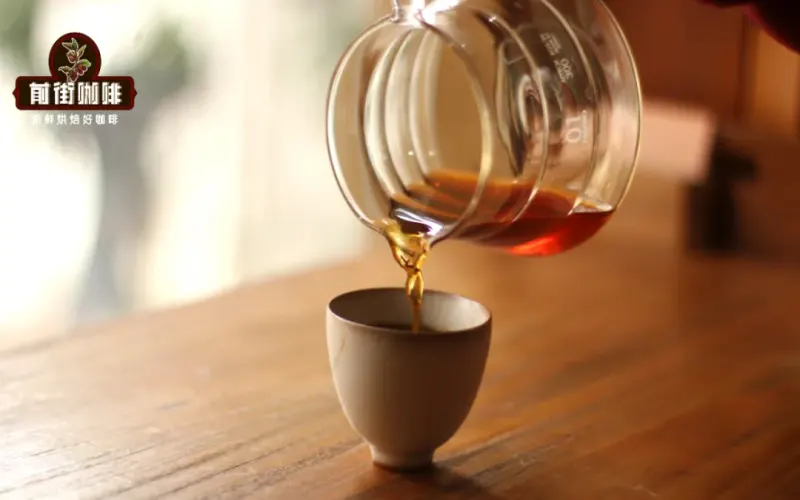
Refrigerate or Freeze Coffee Beans? Key Storage Tips and Practical Methods for Storing Ground Coffee
After coffee is roasted, aromatic compounds continue to escape outward. If the amount purchased exceeds what can be consumed within its peak-flavor window, the flavor will suffer greatly. This article begins with conventional storage ideas such as sealing, protection from light, coolness, and dryness, then focuses on analyzing the recently popular method of freezing coffee beans: it can indeed slow the loss of aroma, but improper handling can backfire. The article unfolds around three key details—sealing to prevent odor transfer, condensation and moisture damage, and avoiding repeated removal and return—and offers practical advice on portioning for storage. Front Street also reminds everyone that coffee is ultimately best enjoyed fresh, and buying only what you need is the worry-free approach. [more…]

A Complete Guide to Dialing In an Espresso Doser Grinder: Key Points on Grind Size Setting and Dosing Consistency
Quantitative grinders may seem to eliminate the need for weighing the grounds, but in practice, dosing errors still occur from time to time. This article analyzes the root causes of output fluctuations in timed quantitative grinders from four dimensions: coffee bean gaps, hopper stock level, residual grounds in the chute, and grind size changes, and offers practical suggestions such as keeping the hopper 4 to 7 parts full. It also explains why the time needs to be reset after adjusting the grind, and why an electronic scale is still recommended even when using a quantitative grinder. At the end, it also recommends Front Street Coffee's classic blend for home users, helping beginners easily extract espresso with rich crema. [more…]
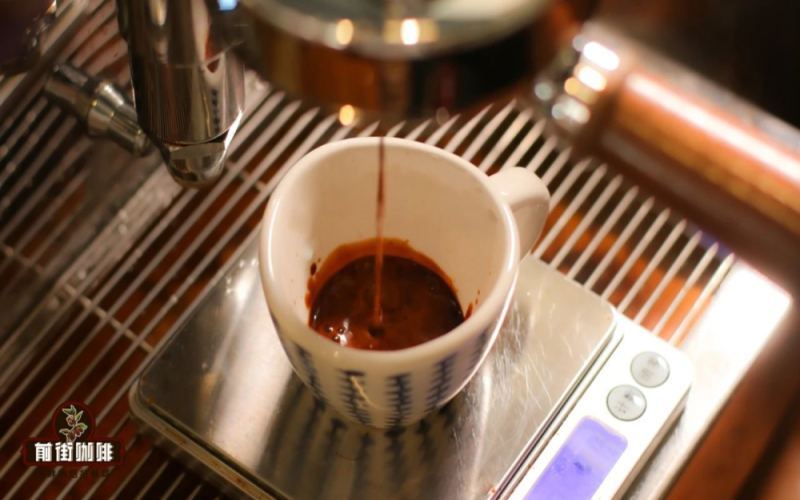
Exploring the Root Causes of Espresso Extraction Flow Rate Variation: The Impact of Grinder Hopper Pressure on Coffee Flavor Stability
In the daily operation of a coffee shop, many baristas have encountered this troubling issue: an espresso extraction recipe that was just calibrated in the morning gradually speeds up as more shots are pulled, with the time running several seconds shorter than the preset parameters. This unstable extraction phenomenon is often closely related to pressure changes inside the bean hopper of an espresso grinder. Front Street Coffee has observed in daily practice that the amount of coffee beans piled in the hopper directly affects the uniformity of grind particle size, which in turn changes the extraction rhythm and flavor performance of espresso. This article will take an in-depth look at how hopper pressure affects grind quality, explain the underlying logic behind fluctuations in extraction flow rate, and share practical adjustment ideas for stable output, helping coffee enthusiasts and professionals better understand variable control in espresso extraction. [more…]
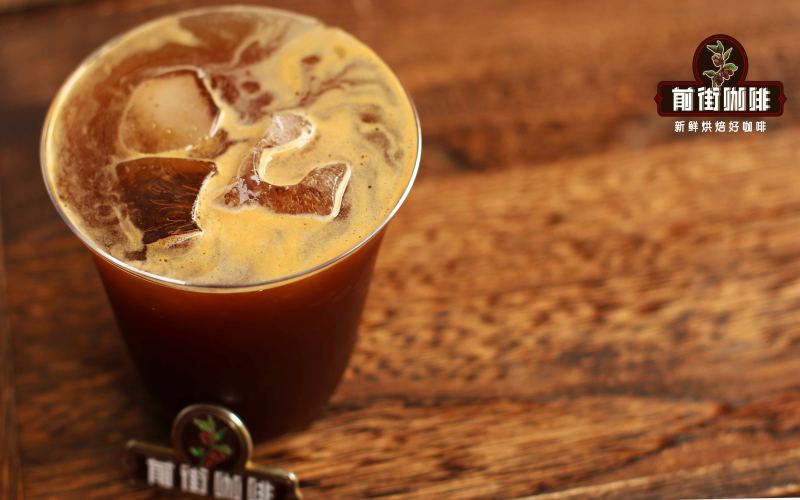
The Two Major Schools of Americano: Drip Brewing and Espresso Diluted with Water, A Full Analysis of Iced Americano Coffee-to-Water Ratios
How many ways are there to make an Americano? And what is its connection to drip machines and espresso? This article will trace the history of the Americano, break down the differences between the two brewing paths—drip and espresso diluted with water—and take a deep dive into Front Street Coffee's approach to water-to-coffee ratios for hot and iced Americanos. At the same time, we'll systematically go over espresso extraction standards, including key parameters such as dose, yield, and time, and include Front Street's complete in-store workflow and recommended recipes. Whether you prefer a rich, full-bodied cup or a light, refreshing one, you'll find the Americano that suits you in this article. [more…]
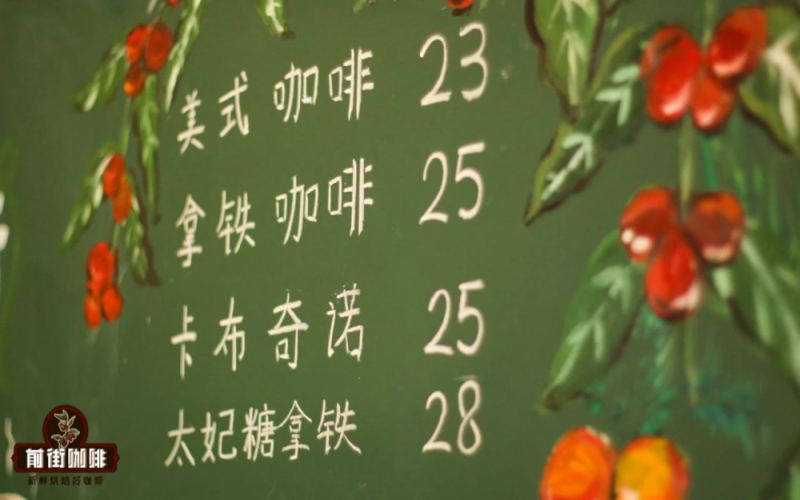
What's the difference between espresso and black coffee? The origins of Americano, espresso extraction parameters, and a detailed iced Americano recipe
Many friends who are new to coffee often struggle to distinguish the relationships between espresso, Americano, and black coffee. Although they all fall under the category of black coffee, their preparation methods and flavor profiles differ significantly. From the perspective of Front Street, this article sorts out the origins of Americano and its two preparation methods, explains the authentic extraction conditions and reference parameters for espresso, and offers Front Street's recommended espresso blend bean choices. At the same time, the article also compiles the complete operating steps for espresso, as well as specific ratio schemes for iced Americano and hot Americano, helping coffee enthusiasts understand the principles while also being able to make a balanced cup of coffee themselves. [more…]
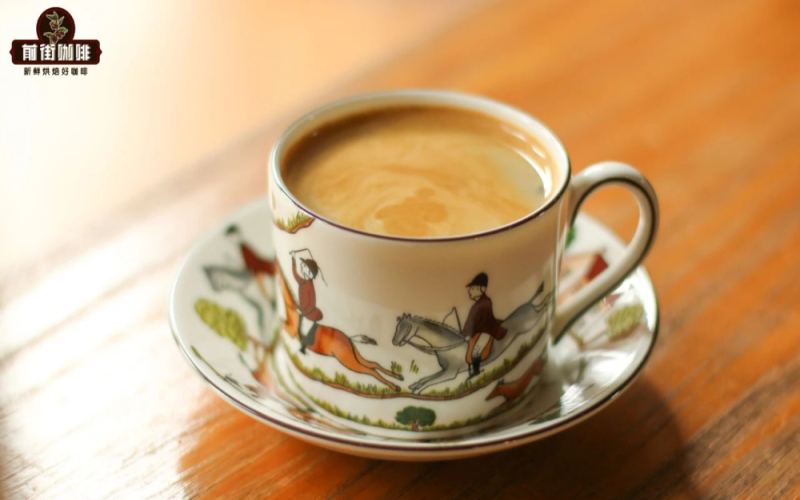
What's the Difference Between Espresso and Americano? A Comprehensive Analysis from Extraction Principles to Brewing Process
What exactly is the difference between Americano and espresso? Many people assume that Americano is simply espresso with added water, but in fact the two differ noticeably in brewing method, flavor expression, and historical origins. Starting from the actual practices at Front Street Coffee (FrontStreet Coffee), this article sorts out the two ways of making Americano and their historical origins, introduces the extraction conditions and flavor standards of authentic espresso, and breaks down the steps of making espresso in detail. It also shares the reasons for recommending Front Street Coffee's specialty espresso blend beans, as well as specific recipes for iced Americano and hot Americano, to help you fully understand the essential differences between these two coffees. [more…]

How to Use an Espresso Machine | Which Espresso Blends Are Suitable for Semi-Automatic Espresso Machines? Espresso Bean Origins, Varieties, Prices, and Espresso Extraction Ratio Plans
Espresso was invented by MR. Gaggia in 1946. Gaggia further improved the piston pressure system—using spring pressure instead of manual pressing, so that the brewed coffee is topped with a layer of golden coffee crema (Crema), which is Crem [more…]
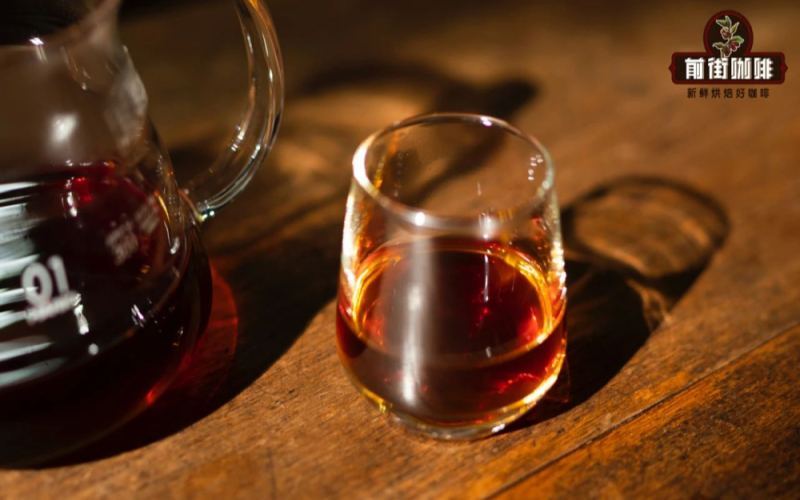
Full Workflow for Operating an Office Espresso Machine and Buying Advice for Suitable Espresso Blends
As coffee quality continues to improve, it's now easy to enjoy the rich aroma of freshly ground coffee right in the office. Because espresso machines can produce a wide range of drinks—americano, latte, cappuccino, flat white, and more—they have become the top choice for office coffee. Drawing on the hands-on experience of Front Street Coffee baristas, this article breaks down the complete espresso-making process in detail, covering every step from cleaning the filter basket, dosing, distributing, and tamping to extraction, and offers a reference formula of 20g dose, 40g yield, and 30 seconds. It also recommends medium-to-dark roast espresso blends suited to stable extraction in an office setting, including three products—Front Street Coffee's Dark Cocoa Basic Blend, Strawberry Candy Espresso Blend, and Commercial Blend—to help coffee lovers with different needs make the right choice. [more…]